When you walk into a room that feels just right, it’s not just because the colors match or the furniture is expensive. It’s because your brain and body are responding to an invisible harmony — a blend of light, space, texture, and emotion.
Interior design isn’t just about making spaces look good. It’s about making people feel good.
Welcome to the new era of design: beyond aesthetics — where beauty meets psychology, and your surroundings quietly shape the way you think, feel, and live.
The Psychology of Space: Why Design Affects How We Feel
Science has caught up with what great designers have always known: spaces influence states of mind.
From the calming power of natural light to the motivational boost of organized spaces, every element plays a psychological role.
- Colors: Soft blues and greens can lower stress and promote calm, while warm tones like yellow and coral spark creativity and optimism.
- Lighting: Harsh fluorescent lighting can cause fatigue and irritability. Natural light, on the other hand, boosts serotonin and helps regulate sleep.
- Textures & Materials: Organic materials — wood, linen, stone — subconsciously make us feel grounded and secure.
Your environment isn’t neutral. It’s constantly interacting with your emotions — either lifting you up or draining your energy.
Mood Boosting Design: The Hidden Power of Everyday Spaces
Want to feel calmer, more focused, or more energized? You don’t need a total renovation — just intentional choices.
Here’s how to turn design into a mood tool:
- For Calm: Use minimalist layouts and soft, muted tones. Clutter-free equals stress-free.
- For Focus: Add structured elements like shelving, symmetry, and task lighting. Order creates mental clarity.
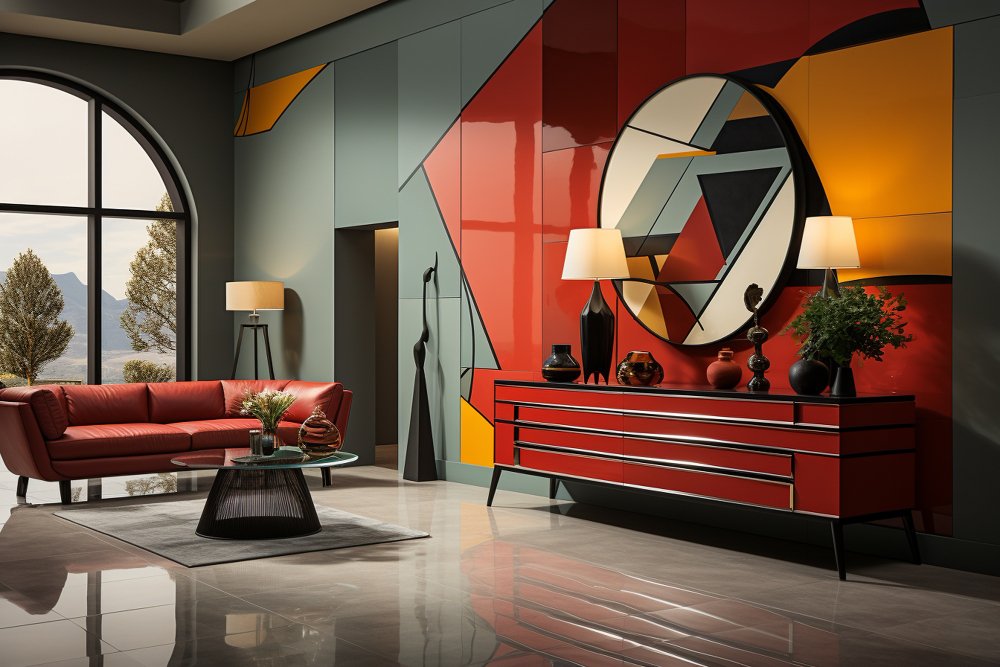
- For Energy: Incorporate bold accents — a vibrant rug, artwork, or plants that bring life into the room.
Your home can be your sanctuary, your studio, or your recharge station — depending on how you design it.
Biophilic Design: Why Nature Belongs Indoors
Humans have an innate connection to nature — it’s called biophilia.
When we bring nature inside, even in small doses, it changes everything.
- Plants purify air and reduce anxiety.
- Natural textures (like rattan, bamboo, or raw wood) make spaces feel warmer and more inviting.
- Daylight and views of greenery increase concentration and happiness.
Think of it as designing with life, not just for living.
Motivation Through Design: Spaces That Inspire Action
Ever notice how some rooms make you want to create, and others make you want to nap?
That’s no accident.
Motivational design is all about energy flow — creating zones that align with how you want to feel and function.
- Work Zones: Clean lines, ergonomic setups, and good lighting help your brain stay productive.
- Rest Zones: Soft edges, cozy lighting, and sensory comfort encourage relaxation and recovery.
- Inspiration Corners: A well-placed bookshelf, art wall, or reading nook reminds you to slow down and reconnect with your purpose.
Your surroundings can either pull you forward or hold you back. The choice is in the design.
Designing for the Mindset You Want
Here’s the secret: good interior design isn’t about trends — it’s about intention.
Ask yourself:
- What do I want to feel in this space?
- What helps me focus, relax, or recharge?
- Does this room reflect the version of myself I’m becoming?
When your environment supports your mindset, you move through life with more ease, clarity, and confidence.
Final Thought: Your Space Is Talking — Make Sure It’s Saying the Right Thing
Every corner, color, and texture in your space is communicating with you.
Design beyond aesthetics isn’t just a trend — it’s a philosophy that connects beauty with wellbeing, and function with feeling.
Because when your space feels right, you feel right.