You don’t need a massive budget, a celebrity designer, or a total home overhaul to create a space that feels extraordinary.
Sometimes, all it takes is a few clever tweaks — the kind that make guests say, “Wow, what did you do here?”
This is the art of space: finding big beauty in small details.
Below are 7 small design changes that can dramatically transform the way your home looks, feels, and functions.
1. Light It Like You Mean It
Lighting is the mood-maker of any room. Most people settle for one harsh overhead light — and wonder why their space feels flat.
Here’s the fix:
- Layer your lighting: mix ambient (ceiling), task (desk or reading), and accent (lamps or wall lights).
- Switch bulbs: warm white bulbs (2700K–3000K) create cozy vibes, while daylight bulbs brighten work zones.
- Dim it down: add a dimmer switch — instant ambiance upgrade.
Pro tip: Lighting can hide flaws, highlight features, and completely change the emotional temperature of a room.
2. Add Life — Literally
A single plant can shift the energy of an entire room.
It softens hard lines, adds color, and brings a sense of calm that no décor item can match.
Easy starters:
- Snake plant (nearly impossible to kill)
- Pothos or peace lily (thrives in low light)
- Dried pampas grass (zero maintenance, full chic)
Think of greenery as emotional oxygen — your space will breathe better with it.
3. Rethink Your Wall Space
Walls aren’t just for hanging art — they’re storytelling canvases.
A few impactful tweaks:
- Gallery walls for personality and depth.
- Oversized art for drama in smaller spaces.
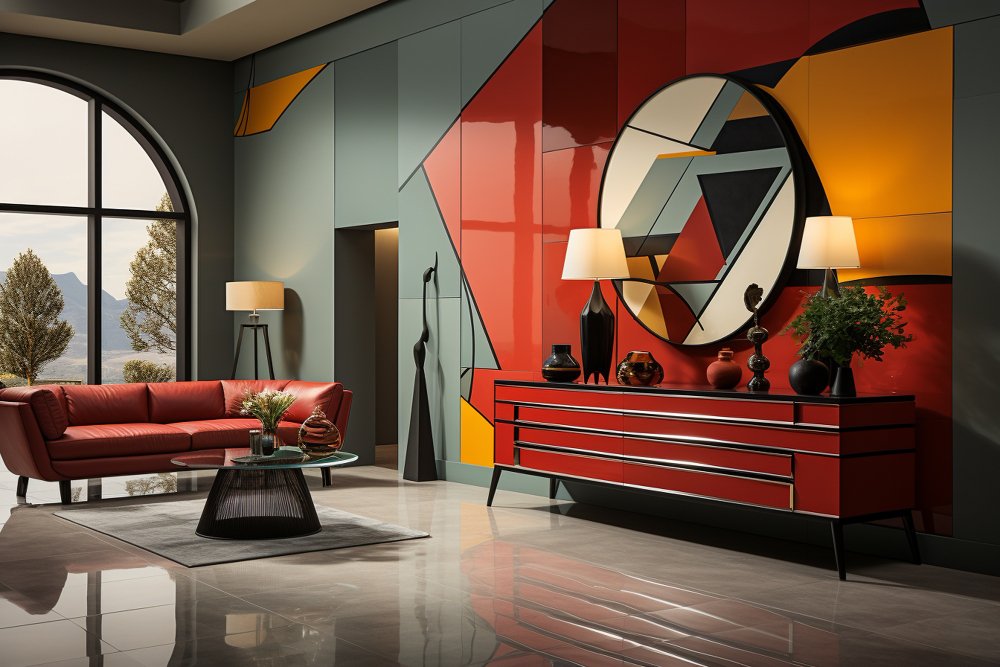
- Mirrors to bounce light and visually double the room.
Remember, art doesn’t need to be expensive. Frame postcards, photography, or even fabric swatches. The goal is visual interest, not a gallery budget.
4. Float Your Furniture (Yes, Really
Pushing all your furniture against the walls makes your room feel like a waiting area.
Try “floating” your main pieces — such as your sofa or desk — slightly away from the walls.
This:
- Creates better flow
- Defines zones
- Makes spaces feel designed, not just arranged
Even a few inches can make a surprising difference in how your space feels.
5. Texture: The Secret Ingredient of Comfort
If your room feels flat or “unfinished,” chances are it’s missing texture.
Layering materials adds depth and warmth.
Try this trio:
- A chunky knit throw over a sleek chair
- A jute rug under a modern coffee table
- Velvet cushions on a leather sofa
Texture is what makes a home feel lived in — and loved.
6. Play with Contrast
Contrast creates visual excitement. It’s the reason black-and-white photos feel timeless and beige-on-beige interiors can feel… sleepy.
Add contrast through:
- Dark trim against light walls
- Mixed materials (metal + wood, matte + glossy)
- Opposing styles (modern lamp on a vintage table)
Design tension — when done right — adds personality and makes spaces pop.
Your home tells your story — but like any good story, it needs editing.
7. Curate, Don’t Clutter
Declutter with purpose:
- Keep only what adds value or joy.
- Group décor items in odd numbers (3 or 5) for balance.
- Leave negative space — your eyes need room to rest.
A well-curated shelf with fewer items can look far more stylish than one overflowing with “stuff.”
Final Thought: Small Tweaks, Major Transformation
You don’t need to reinvent your home to reimagine it.
The art of space is about intentional choices — tiny details that change the way you feel in your own surroundings.
So start small: move a chair, change a bulb, hang a mirror.
Before long, you’ll realize that great design isn’t about size — it’s about sensitivity.